
Deep conditioning is a crucial step in any curly hair care routine, as it helps maintain healthy, vibrant curls. Curly hair is more prone to dryness and often lacks shine due to its unique structure, making deep conditioning essential for providing more moisture and preventing damage.
Curly hair tends to be drier because its structure makes it difficult for natural oils to travel down the hair shaft. This means curly hair is prone to dryness, frizz, and breakage, and requires more moisture than other hair types to stay healthy and shiny.
That’s why learning how to deep condition curly hair is so important. Regular deep conditioning should be an integral part of your consistent hair care routine, as it helps restore moisture, repair damage, and enhance curl definition for optimal curl health.
Hey lovelies, I know you want to deep-condition your strands every time you wash it. But here’s the caveat: It’s not necessary to deep-condition this frequently. The best deep conditioners for curly hair can transform your intensive conditioning routine for natural hair.
In this blog post, I will discuss how to deeply hydrate natural hair without damaging it. I will also suggest tips and product recommendations to make deep conditioning curly hair easier for you.
A curly hair deep conditioning treatment is an important part of our haircare regimen. An intensive moisture conditioning mask for dry curls is a must for anyone struggling with dryness.
Especially for curly strands. The focus for natural hair should be on adding moisture with the best moisturizing deep conditioners, as it is often dry.
There is another type of deep treatment for natural hair: a strengthening hair treatment. Protein vs moisture treatment for curls will not be the focus of this post, as you wear your hair curly all the time and do not often apply heat, but understanding your hair texture can help you choose the right treatment.
There’s not much damage to curly tresses, worn curly all the time, and curly hair needs moisture. If you want to learn more about protein deep hair masks and how to deep treat hair with them, see this blog post.
You may be wondering what exactly deep hair treatments for curls are. Put simply, understanding your hair type is crucial in achieving the ultimate guide to deep conditioning. Not all deep conditioners are created equal—it’s important to select the right deep conditioner for your curl pattern and hair needs, as different formulations cater to specific textures, porosity levels, and moisture requirements.
An intensive conditioning treatment for curls allows hydration to penetrate deeper into the shaft. Here is a table of the main differences between regular conditioners and the benefits of intensive conditioning.
|
Feature |
Regular Conditioner |
Deep Conditioner (Mask/Treatment) |
|---|---|---|
|
Purpose |
Surface detangling, light moisture |
Intensive repair, moisture, and nourishment |
|
Ingredients |
Basic emollients, light oils |
Rich oils (e.g., Shea Butter, Avocado Oil), humectants (e.g., Honey, Aloe Vera), hydrolyzed proteins for strength |
|
Types |
Daily, rinse-out |
Protein-based (with hydrolyzed proteins, keratin, silk protein) for strength; Moisture-based (with Shea Butter, Avocado Oil) for dry hair |
Understanding your curl pattern and porosity will help you choose the right deep conditioner, ensuring your hair receives the optimal balance of moisture and strength for healthy, defined curls.
|
Feature |
Deep Conditioner |
Regular Conditioner |
|---|---|---|
|
Purpose |
Provides deeper penetration of hydration to the hair shaft; focuses on moisture for it, beneftiing the hair cuticle |
Detangles, smooths, and lightly moisturizes strands after shampooing |
|
Usage Frequency |
Used less frequently (not every wash); typically once a month |
Used every time hair is washed |
|
Application Time |
Left on hair for a longer period (15–30 minutes or more) can improve hydration levels significantly, especially for damaged hair. |
Left on hair for a short period (1–5 minutes) |
|
Penetration Level |
Formulated to penetrate deeper into the shaft |
Works mostly on the surface of the strands |
|
Ingredients |
Contains richer, more concentrated ingredients for intense hydration or repair |
Contains lighter ingredients for daily use |
|
Benefits |
Restores moisture, improves elasticity, reduces dryness and frizz |
Maintains softness, helps detangle, adds light moisture |
|
Types |
Moisturizing (for natural hair), Strengthening (protein-based, not focus here) |
Usually moisturizing or smoothing, depending on the needs of your hair type and the condition of your hair cuticle |
Deep conditions are more like a treatment for long-lasting nourishment to the hair follicles.
Understanding your hair porosity is essential when deciding how to deep condition curly hair. Hair porosity determines how well your hair absorbs and retains moisture, so choosing products and routines tailored to your porosity hair will optimize results. High porosity hair, which tends to lose moisture quickly, benefits from deep conditioning once a week to restore hydration and repair damage.
In contrast, low porosity hair should be deep conditioned less frequently to avoid weighing down strands—typically once or twice a month is sufficient. For curl types, medium to tight curls (Type 3) generally require deep conditioning once a week, wavy and fine curls (Type 2) can condition every two weeks or once a month, and coily or high-porosity hair (Type 4) may need deep conditioning once or twice a week.
Curls tend to be dry because scalp oils, or sebum, have a harder time traveling down the twists and turns of the hair shaft in curly hair, making it more prone to dryness. That’s why curls always need to be moisturized to eliminate dryness and replenish moisture to your tresses when deep treating curls.
Many curly-haired individuals have high porosity, meaning the cuticles are more open. High porosity requires more attention during intensive moisture conditioning if you are wondering how to moisturize your curls.
Deep hair treatments can help restore hydration that regular conditioners cannot accomplish. Deep conditioning helps restore moisture, repairs damage, and enhances shine for healthy curls. It also improves hair elasticity and can enhance curl definition. Deep conditioning is a game changer for maintaining your natural texture and achieving hydrated curls.
With regular intensive moisturizing conditioning sessions, your overall hair health follicles will be healthier, softer, and more manageable. Deep conditioning enhances elasticity and repairs damage, leading to healthier, shinier curls.
Here’s how to deep condition curly hair at home with these short steps to healthy hair.
💖 Start with clean strands
How do you deep condition your hair? When deep-conditioning hair, I recommend starting with a sulfate-free shampoo for gentle, residue-free cleansing that maintains your hair’s moisture balance and prepares it for deep conditioning by preventing buildup.
💖 Choose the best natural hair deep conditioning treatment
Stick to moisture-based deep treatment for damaged curls if you mostly wear your hair curly and look for ingredients that hydrate, such as emollients and humectants. For lightweight moisture, especially for fine or loose curls, choose a deep conditioner containing jojoba oil.
💖 Apply correctly
If you want to know how to deep treat your hair properly, divide it into 4 equal parts and apply a generous amount of the deep natural hair treatment using an applicator brush, ensuring you distribute it evenly from roots to ends.
Use a wide-tooth comb to gently detangle and spread the product, focusing especially on the ends, which are the oldest and driest parts, to help prevent split ends and address existing damage. Then smooth the curly deep conditioning hair mask through the strands with your hands to ensure even coverage if you are wondering how to deep condition hair at home.
💖 Enhance absorption
I also recommend using heat when applying deep conditioner for curly frizzy hair to help penetrate the hair cuticles and open hair follicles deep in the hair shaft, enhancing the absorption process. You can use a warm towel or a blow dryer to apply heat, or try hot-head heating caps that can be microwaved to save energy, compared with electric heating caps if you are wondering how to deep treat your hair.
Apply heat for 20-30 minutes, as most deep conditioning treatments reach maximum effectiveness within this time frame; leaving them on longer can lead to hygral fatigue and weaken the hair cuticle.
💖 Rinse and Style
Remove the heated cap after 20-30 minutes and allow it to cool. Then rinse with cool water to seal in moisture and follow with a leave-in conditioner.
How Often Should You Deep Condition Curly Hair?
Wondering how often to use deep conditioner? This is the part where most curly girls get it wrong. They are conditioning too often.
Did you know that over-conditioning your hair with deep conditioning products for natural hair can damage it? That’s why you always want to use a gentle clarifying shampoo for curls.
To get a fresh start with your hair treatments, apply deep conditioner for heat damaged curls only every five washes to maximize deep conditioner benefits for your hair texture. This information comes directly from the hair school and is recommended by my trainer if you are wondering how to do deep conditioning at home.
Note: Not all deep conditioners are a quick fix. Overuse or leaving them on too long can weaken the hair cuticle and cause more harm than good.
I always hear and see girls condition their hair before deep treating your curls. This is a huge no-no in how to deep condition curls, so if you are not sure of how to do a deep treatment, do not apply regular conditioner before deep treating.
Doing this defeats the purpose and is not necessary for the extra conditioning step. It can also damage strands from over-conditioning. Steer clear of over-conditioning and products not suited for your curl type or porosity, as these can weigh down your curls or cause buildup. Additionally, minimize heat styling to preserve healthy curls and prevent unnecessary damage.
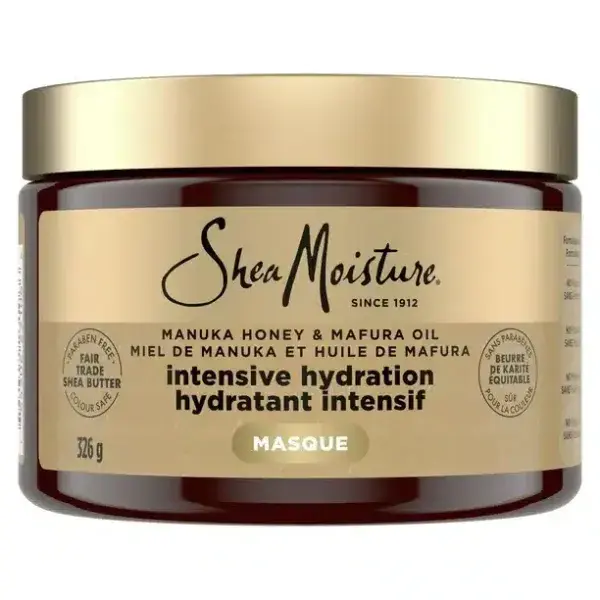
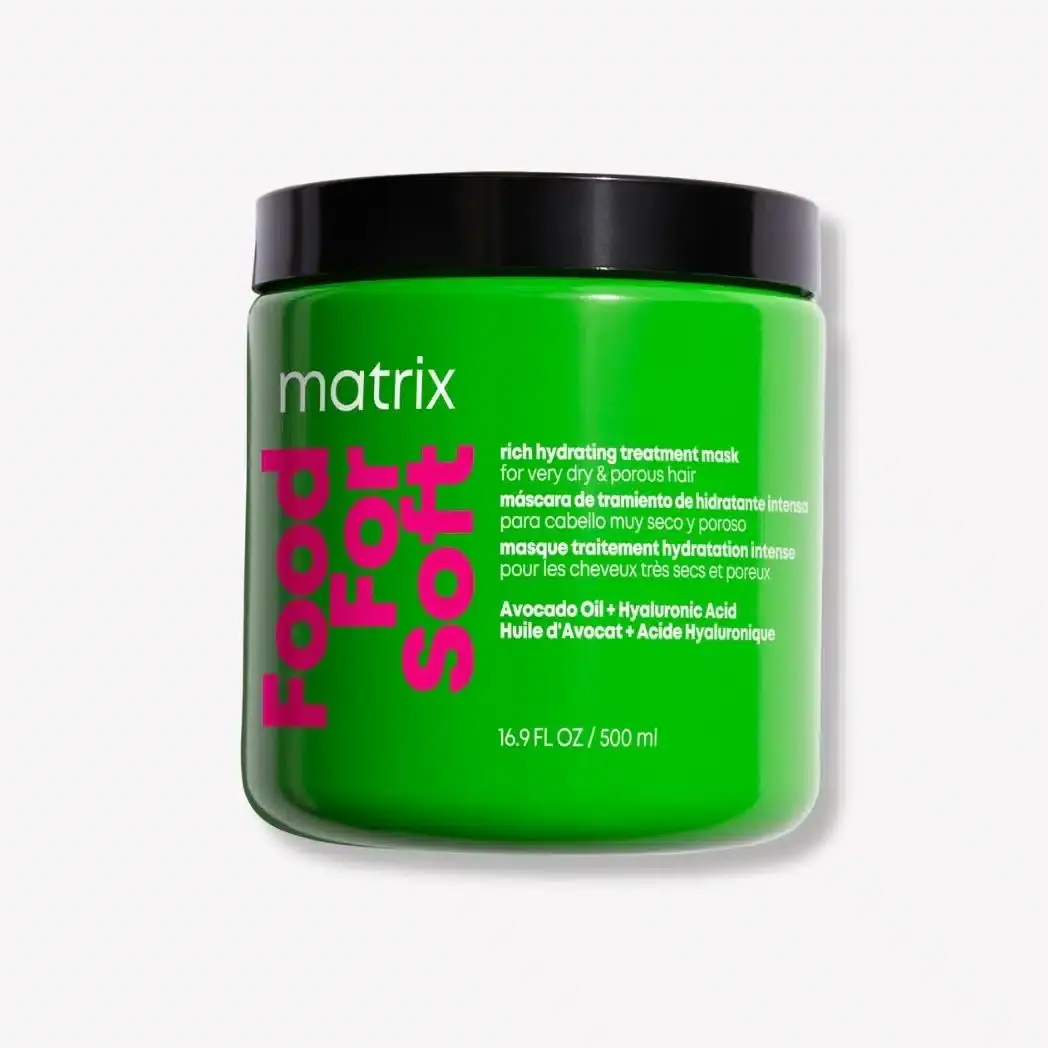
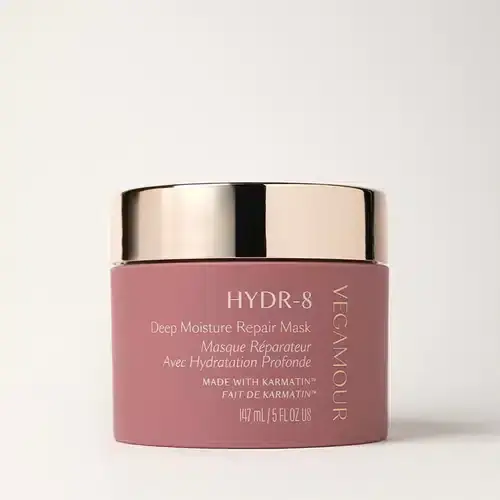
Here are some recommended hair treatments for how to deep condition products. If you have thick hair or tight curls, you may need to go the extra mile by choosing richer, more intensive masks to ensure your hair gets the moisture it needs. Some deep conditioning products work wonders for specific curl types and should be used at least once a week for best results.
Shea Moisture Intensive Hydration Hair Masque
Note: Regular trims help remove damaged ends and prevent further splitting, which is especially important for curly hair to avoid dryness and breakage and to maintain healthy curls.
FAQ’s about the best results from deep conditioning treatments are common among those with natural hair
1. What are signs of damaged natural hair?
Breakage and shedding of the hair shaft that is more than usual excessive frizz even after conditioning it
Dry and brittle texture that feels rough to the rough
2. What are the signs my hair needs a conditioning mask for curly hair? H3
When hair feels dry and stiff instead of soft
It gives a dull appearance
Loss of elasticity and it snaps instead of stretching
3. What qualifies as the best deep treatment for curls?
Deep conditioning treatment for curly hair at home that contains rich emollients and humectants
Deep conditioners for dry curls that are often labeled as “intensive treatment”, or “repair mask”
4. What ingredients are best for deep conditioning?
Humectants: Glycerin, Aloe Vera, and honey are essential for maintaining natural oils in your hair.
Emollients: Shea butter, coconut oil, and olive oil
Fatty alcohols: Cetyl Alcohol, Stearyl Alcohol
Conditioning Agents: Behentrimonium Methosulfate
I hope you enjoyed this blog post all about how to deep condition textured hair. In this post, we learned the definition of hair treatments, why they are important in our natural hair care regimen, and how to use hair masks.
I also reviewed the basic steps for how to deep condition your hair at home with a moisturizing hair treatment and why it is important to clarify before deep-conditioning.
It is also important to understand how often to use deep conditioner, as over-conditioning can cause further damage.
Also, a common mistake many women make is applying conditioner before deep treating curly hair. I explained why this is not recommended, as it can damage the strands.
There are many deep conditioners for curly hair on the market, and I recommend high-quality options available at your local beauty supply store.
Thanks so much for reading this post about how to deep condition your curls and the benefits that deep conditioning provides. If you want to see another article on moisture conditioning, check out this one.
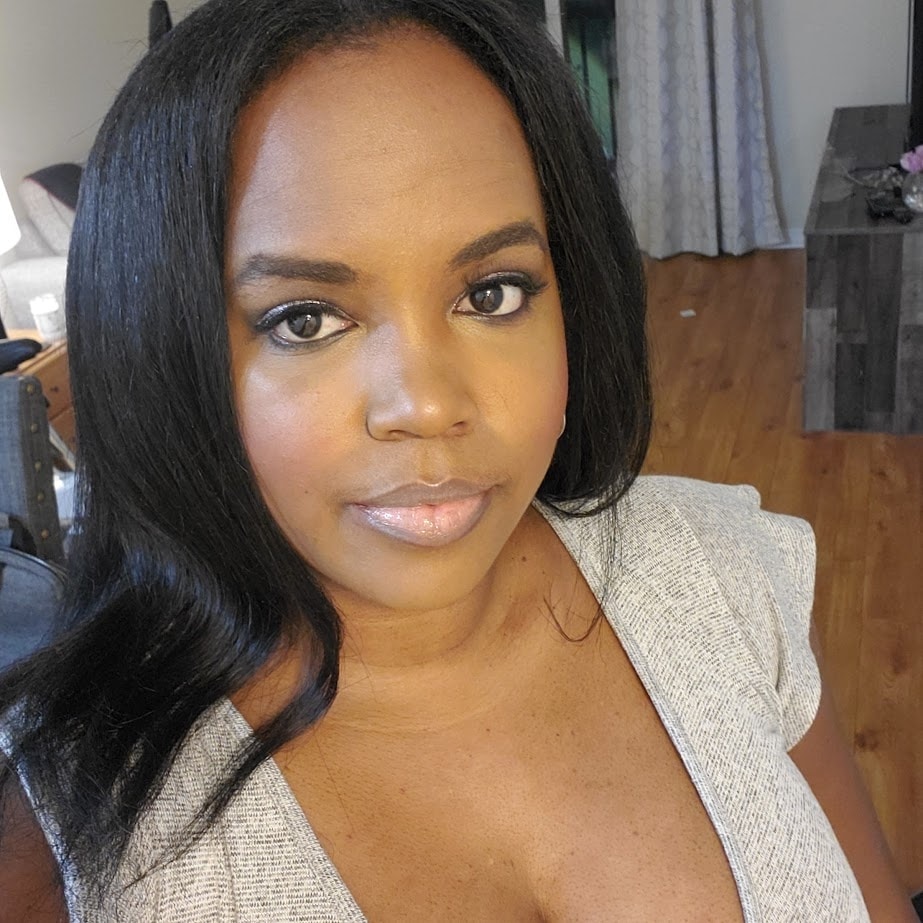
Hi, I’m Danian, the creator of Natalie Mochin’s Beauty Blog — a space dedicated to real, experience-based hair care tips, healthy hair advice, and hair growth inspiration. As a hairdresser in training, I share practical routines, product recommendations, and lessons from my hands-on salon experience — all fueled by my love for coffee, cats, and dogs.

Hi, I’m Danian, the creator of Natalie Mochins Beauty Blog. As a hairdresser in training, I share practical routines, product recommendations for healthier hair from my hands-on salon experience- All fueled by my love for coffee and mochaccinos.
As a hair care enthusiast, I have discovered the best option for my hair in terms of maintenance and versatility. My strands are currently texturized
If you have curly hair, you already know the morning struggle — frizz, shrinkage, humidity, tangles. It’s exactly why keratin treatments have exploded in popularity.
Subscribe now to keep reading and get access to the full archive.
4 Responses
Thanks again, Tangie. I’ve always wanted to try sisterlocks but I am afraid of the commitment. Cheers to locs! 🥂
Hey Tangie and thanks for the compliment. Currently my site does not have a like option, but if you visit my facebook page here… you can like the post there 🌞
Great information on your site, my hair is nature too, but is being locked.
Great information shared on your page, no place to Like on the site