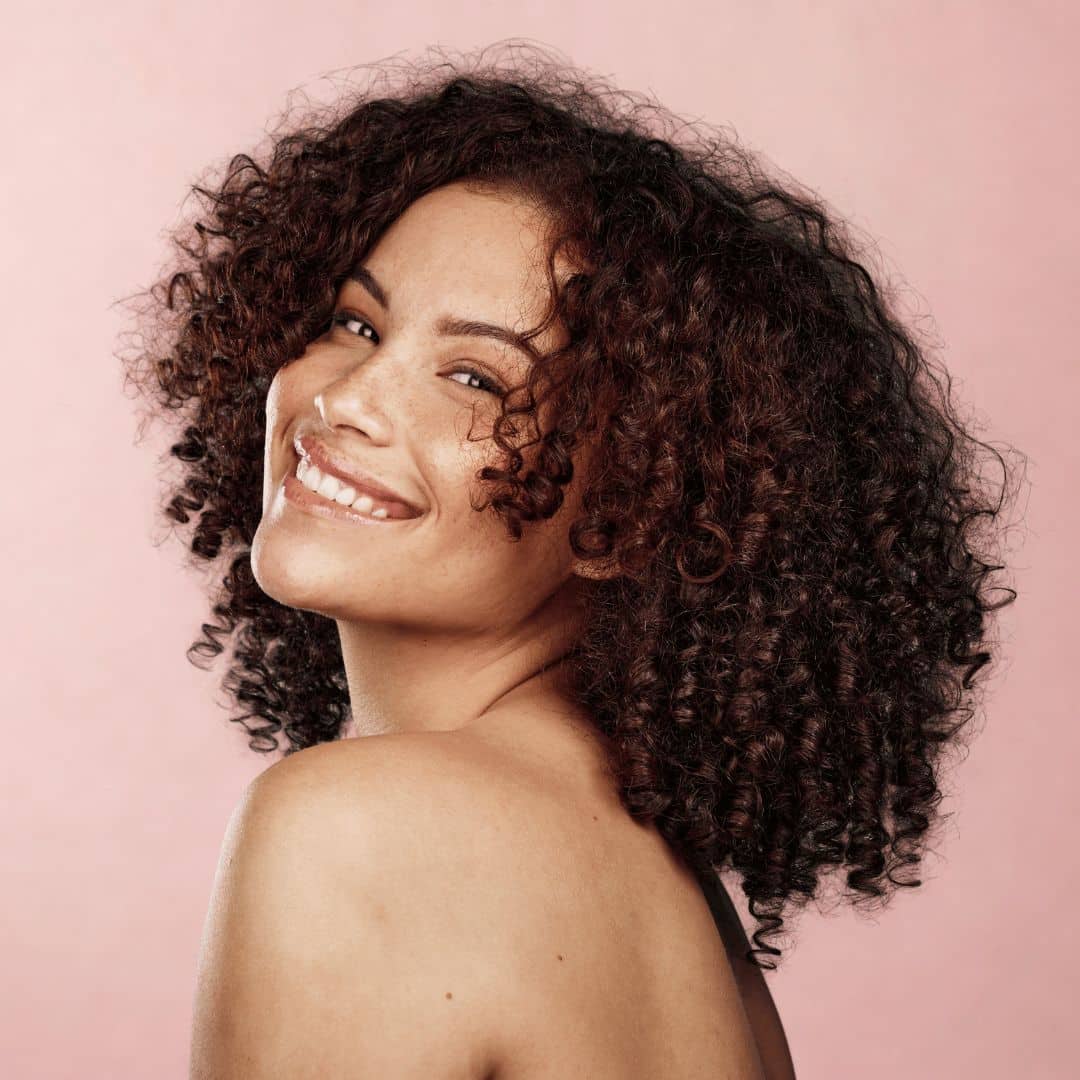
Texturized hair requires more deep conditioning sessions and protein treatments, but it is much less maintenance than relaxed hair.
As a hair care enthusiast, I have found the best option for my hair in terms of maintenance and versatility. My strands are currently texturized (aka texlaxed). With my texturized hair, I can rock natural hairdos with a looser curl pattern and smooth my tresses when I feel the need to.
With texlaxed hair, you get the best of both worlds, i.e., natural and relaxed, especially when you incorporate a seal and cream routine. You may wonder what is texlaxing your hair? Partially relaxed hair is processed with the same chemical used in relaxers, but it is much milder and may contain more conditioner than usual.
This allows the chemicals to break down the curl pattern during the relaxing process slowly. In the end, you will still have your curl pattern, but it will be more elongated and more defined. When transitioning to texturized hair, there is no need to cut off all relaxed hair; you can gradually trim it over time.
With texlaxed 4a hair comes more maintenance to keep this appearance up, including regular restoring treatments. You will spend less time on your hair than with natural hair, and you will realize that texlaxing is easier to manage.
Because the hair is chemically altered, it becomes weaker and more prone to damage. Scientific evidence suggests that chemically processed hair requires additional moisture and conditioning to help maintain strength and elasticity. [https://pmc.ncbi.nlm.nih.gov ]
This is where hair maintenance comes into play. When managing different textures, such as texturized and relaxed hair, regular moisturizing and sealing are essential to keep both textures hydrated and flexible, which helps reduce the risk of hair damage. Managing texturized hair successfully often requires balancing moisture and strength. It’s important to maintain it in between touch-ups to avoid hair loss and damage. I will discuss suggestions later in the post.
If you have hair that is texturized , you might be wondering how often you should wash it. The washing frequency is very similar to that of a natural hair regimen, especially on wash day. You should wash your hair at least every two weeks to keep it healthy. Regular washing is essential because it helps remove excess oil and product buildup, which can lead to dehydrating and hair damage.
Before shampooing, consider doing a pre poo treatment. Pre poo involves applying specific treatments or products to your hair before washing to improve hair condition, manageability, and washing outcomes.
When choosing a good shampoo, I would recommend a strengthening shampoo, such as Matrix Instacure. I’ve learned that by using a strengthening shampoo, you can skip conditioning your hair twice with protein and then moisture.
The shampoo adds the right amount of strength to the strands and lets you follow up with a good hydrating hair treatment afterward, so no more hopping in and out of the shower to condition your hair. Everything can be done in two steps in the shower.
As I stated earlier, this hair routine simplifies everything into a single process in the shower. Incorporating deep conditioning treatments into your routine is crucial for maintaining the health of texturized hair, as it helps to combat dehyration and improve manageability. Research indicates that conditioners help smooth the hair cuticle and reduce mechanical wear from everyday grooming practices. [https://www.mdpi.com/] When choosing a hydrating conditioner, make sure it is labeled as a moisture conditioner.
Restoring treatments can play an important role in restoring hydration and keratin to damaged hair, but they should be used appropriately to avoid over-drying or stiffening the hair. I like to leave it in for at least two minutes. Regular conditioners do not need to be left on for long, as they are supposed to help soften the strands and make detangling easier.
After conditioning, daily moisturizing can significantly improve the condition of texturized hair—especially when using oils like coconut oil on the ends to retain length and prevent split ends. Research in the Journal of Cosmetic Science found that coconut oil pre-treatment helped reduce combing damage and protein loss in chemically processed hair. [https://library.scconline.org/]
Now that you have rinsed out the conditioner, you must detangle your hair in sections. I would recommend a wide-tooth comb to help with the tangles, but avoid using old or damaged combs and brushes that can pull on your hair and cause hair damage. When detangling, be gentle and avoid twirling your hair around your fingers, as this can lead to breakage and split ends.
It’s wrong to assume texturized hair is easy to manage without proper techniques—gentle handling is essential to protect hair condition. Over time, I have noticed improved hair health by adopting these gentle and protective practices.
Once the hair is properly detangled, you can opt for a wash and go texturized hair or a straight style. A wash-and-go is a hairstyle that allows the hair’s natural or texturized texture to air-dry after washing with minimal styling.
With a wash-and-go, you may need additional finishing tools and texturized hair products can be enhanced with oil for better hydration. To maintain the appearance and define your curls, consider using a cream or oil. I personally like to use the Tangle Teezer to define my curls, Eco Styler gel, and a foam styler, if you were wondering.
Protective styles are a fantastic way to support a healthy growth journey with texturized hair. Hairdos like braids, twists, and buns not only look great but also help reduce daily manipulation, which can lead to less hair damage and more growth over time. By tucking your ends away and minimizing exposure to heat and environmental stressors, you’re giving your hair the chance to thrive.
While wearing protective styles, it’s important to preserve your hair moisturization. Apply a nourishing cream or leave-in conditioner to the ends of your hair to lock in moisture and prevent dryness. For extra protection, sleep on a silk or satin pillowcase, or wrap your hair in a satin scarf—this helps reduce friction and keeps your style looking fresh. Protective hairdos are a smart choice for women with texturized hair who want to maintain healthy hair and see real growth on their growth journey.
If you’re aiming for longer, healthier texturized hair, a consistent hair routine is key. Focus on balancing moisture and strengthening treatments—deep conditioning preserve your hair hydrates it, while regular protein treatments strengthen your strands and prevent hair damage. Don’t forget to moisturize daily, especially if your hair feels dry or brittle.
To boost growth, consider getting regular touch ups to keep your new growth manageable and reduce breakage at the line of demarcation. Scalp massages can also help stimulate blood flow and encourage growth, and some women find that supplements like biotin or vitamin E support their healthy growth journey.
Limit heat usage as much as possible, and always use a heat protectant when you do reach for the flat iron or blow dryer. Remember, every hair type is unique, so finding the right routine and products may take some trial and error. Stay patient and consistent, and you’ll see progress on your texturized hair journey.
Now that you know the basics of your hair-washing routine for chemically processed hair, it is essential to maintain your hair at night. Invest in a satin pillowcase or a satin bonnet to sleep in at night. When you use these tools, they prevent breakage in hair, and fabrics won’t snag your hair as you sleep.
Protective hairstyles such as wigs, weaves, twists, and bantu knots can help save your hair and promote growth by minimizing manipulation and protecting the ends from breakage. Wearing your hair up in protective hairdos can also shield it from friction against clothing, which is a common cause of breakage. Using protective hairstyles like wigs allows for versatility in styling while keeping your hair tucked away and protected from environmental stressors like cold weather and humidity.
You also should have a trimming schedule and try to trim your hair at least twice a year with professional shears. My favorite place to go for trims is Great Clips. They are very affordable, and they get the job done in the end.
Choosing the right hair products is essential for maintaining healthy texturized hair and supporting your hair journey. Since texturized hair can be prone to dryness, it’s important to focus on moisture and nourishment. Start with a sulfate free shampoo to gently cleanse your hair without stripping away natural oils. Follow up with a rich deep conditioner or a hair mask packed with ingredients like coconut oil, shea butter, or argan oil—these help restore moisture and keep your strands soft and manageable.
Detangling is a crucial step for texturized hair, so always reach for a wide tooth comb. This tool helps you work through knots gently, minimizing breakage and making your detangling routine much smoother. When it comes to finishes, especially if you use heat tools like a flat iron or blow dryer, always apply a heat protectant. This simple step shields your hair from heat damage and helps maintain healthy hair growth. Remember, the right product suggestions can make all the difference in your texturized hair regimen, so don’t be afraid to experiment and find what works best for your hair type.
Here are basic steps on how to take care of texturized hair:
Texturized hair is hair that has been chemically treated with a mild relaxer to loosen the natural curl pattern without completely going bone straight. The result is hair that retains some texture while becoming easier to manage.
Texturized hair maintains some of its natural curl or coil pattern, while hair with a relaxer is processed to become as straight as possible.
Most people benefit from washing texturized hair every 1 to 2 weeks to remove buildup and keep the scalp healthy.
Texturized hair may retain more strength and texture than fully relaxed hair because less of the natural curl pattern is altered, but proper maintenance is still essential.
Yes. Since texturized hair is chemically processed and is similar to a relaxer, occasional strengthening treatments can help strengthen weak or damaged strands.
Deep condition once a week or every wash day to improve moisture retention, softness, and manageability.
Here are my main key takeaways for caring for texturized hair:
A healthy texturized hair journey is built on consistency, not perfection. Small habits practiced regularly will have the greatest impact on length retention, strength, and overall hair health.
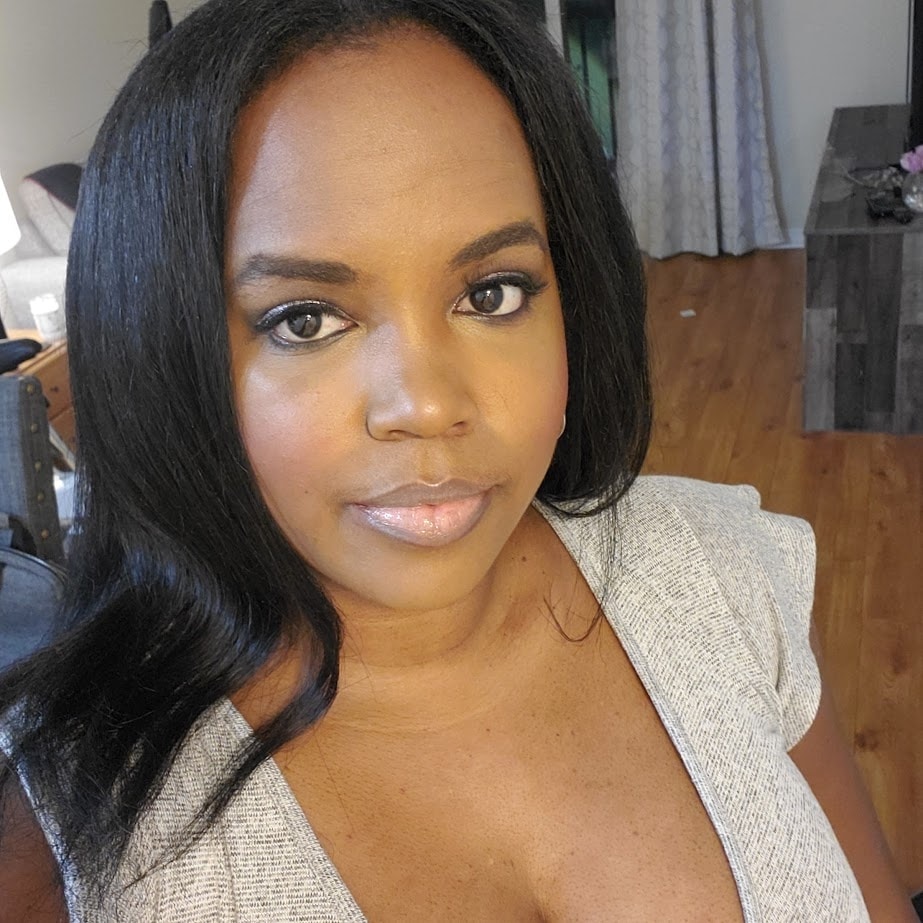
Hi, I’m Danian, the creator of Natalie Mochin’s Beauty Blog — a space dedicated to real, experience-based hair care tips, healthy hair advice, and hair growth inspiration. As a hairdresser in training, I share practical routines, product recommendations, and lessons from my hands-on salon experience — all fueled by my love for coffee, cats, and dogs.

Hi, I’m Danian, the creator of Natalie Mochins Beauty Blog. As a hairdresser in training, I share practical routines, product recommendations for healthier hair from my hands-on salon experience- All fueled by my love for coffee and mochaccinos.
Let’s be honest, girlfriend. Have you ever washed your hair, blow-dried it, and still felt like it looked a little flat, dull, or breakage? Like
Is the Unbrush Good for Curly Hair? The short answer is yes, but it depends on how you use it. Coiled and Natural Hair strands
Subscribe now to keep reading and get access to the full archive.