
This article provides a comprehensive guide on lye vs no lye relaxers, drawing on the latest science to help you make informed decisions about hair care. It is especially relevant for women, particularly Black women, who are the primary users of relaxers and may face unique health considerations. Scientific studies have shown that frequent and long-term use of lye relaxers may increase the risk of breast cancer in Black women by 30%, making it crucial to understand the differences and risks associated with these products.
Hair relaxers have been around for years, and you may wonder how do relaxers work and what are Lye vs No Lye Relaxers? One of the hair relaxer benefits is that they are a great way for straightening afro-textured hair permanently. As for myself, I have tried both a lye and no-lye relaxer on my different hair textures.
Although I am biased toward lye relaxers, I wanted to review what lye and no-lye relaxers are. As a child, lye relaxers were used on my hair. However, as a teenager, I used no-lye hair chemically treated relaxer alternatives that a professional stylist had applied.
I noticed that my hair was healthier and longer when I had a lye relaxer. However, it also still had a lot of texture and curls compared to when I had a no-lye hair relaxer treatment.
Currently, I use a mild relaxer to texturize my strands with a professional hair relaxer with one of the best lye relaxer brands, Motions. I would recommend this brand as it is the best relaxer for coarse hair.
The main difference between lye vs no lye relaxer hair treatment is their ingredients and pH levels. Lye relaxers contain sodium hydroxide as the active ingredient and have a higher pH, typically between 12 and 14, making them more alkaline and effective at breaking hair bonds, but also potentially harsher on the scalp. No-lye relaxers, on the other hand, use guanidine hydroxide as their main ingredient and have a lower pH, usually about 9 to 11, making them milder on the scalp but more likely to leave mineral (calcium) deposits that can cause dryness and brittleness over time.
You may ask: what is a calcium hydroxide based relaxer? With calcium hydroxide relaxers, also known as no-lye, the calcium can leave a bit of mineral buildup, making the hair drier and sometimes dull or stiff. One relaxer may be milder on the scalp, but the trade-off is the potential for dryness due to these ingredients.
No-lye relaxers are often mixed from two components before application, and this mixing process is important for activating the relaxer. If you have a sensitive scalp, either lye or no-lye relaxers can be considered, but no-lye relaxers are generally recommended for sensitive skin due to their lower pH. However, if you cannot tolerate dry hair, a lye relaxer may benefit you, as lye relaxers do not leave mineral buildup and help hair retain moisture better over time.
What is a no base relaxer? With a lye relaxer, you may ask: what is the active ingredient in all hydroxide relaxers? The answer is lye (sodium hydroxide), which gives the relaxer its higher pH and stronger effect on hair bonds. These relaxers are much harsher on the scalp and can cause irritation or burns if not applied correctly.
For this reason, I recommend that you touch up your scalp with an oil-based grease containing petroleum jelly. Lye relaxers will also be less drying on the hair shaft compared to no-lye relaxers. This is why I am an advocate of lye relaxers for added moisturizing properties.
Both lye and no-lye relaxers work by breaking the disulfide bonds in hair, permanently altering its structure and increasing susceptibility to damage. In comparison to no base vs no lye relaxer, when I experimented with a no-lye relaxer as an adult, my hair became very weak, and I could not tolerate this kind of relaxer.
When it was time for a touch-up, my hair would overprocess and break off. After this experience with no-lye relaxers, I vowed never to use a box relaxer again.
Since I switched back to lye in hair relaxer after going natural again, my hair has been thriving, and I can do styling my hair in a wash and go in terms of a no lye relaxer vs texturizer for a relaxer for curly hair.
Pros:
The tub is good for more than one application
Sodium hydroxide relaxers, also known as lye relaxers, are available in super strength and stronger relaxer formulas, making them highly effective for straightening very coarse or resistant hair and achieving straighter, sleek, straight hair results that look like they were styled by hand.
Lye relaxers are often preferred for their ability to quickly achieve a sleek, hand-straightened style and do not leave mineral buildup, allowing hair to retain moisture better over time.
Can provide texture and loosen the curl with a mild strength formula
Strong and hydrated cuticle and follicles that are not dry and have less frizz
Cons:
Lye relaxers have a higher pH (typically between 12 and 14), which can lead to scalp irritation, burns, and other damaging effects if not applied correctly; these risks can lead to long-term scalp or hair issues.
Can cause breakage in 4c hair if not maintained regularly
Can be very harsh on the scalp and cause burns and scabs.
The risks of irritation and damaging effects are higher with improper use, so it is important to consult a professional hairstylist before using a lye relaxer, especially if considering a super strength or stronger relaxer.
Users should wait several weeks between applications to reduce the risk of damage and scalp irritation.
Pros:
benefits of no-lye relaxer for Lye vs No Lye Relaxers are that it is a quick and easy process with one application
no-lye relaxers are gentler on the scalp, have a lower pH, and are often favored for home use and sensitive scalps
no-lye relaxers are typically mixed from two components before application, making them suitable for various hair types
Straightforward to find
Cons:
no-lye relaxers can leave mineral (calcium) deposits on hair strands, leading to dryness, dullness, and a stiff texture; chelating shampoos are recommended to remove these deposits and help with moisture retention
can affect hair elasticity and moisture, so extra care is needed to maintain beautiful, healthy hair strands
can cause breakage if not properly maintained
only one application per box
users should wait several weeks between applications to allow for hair growth and reduce the risk of damage
hair will be dryer and weaker
Regular Conditioning Creme Relaxer
As for Lye vs No Lye Relaxers, my preference is for lye relaxer brands also used mostly in a salon, but I hope I was able to supply you with the knowledge to help determine which relaxer is suitable for your hair type. It’s important to consult a professional hairstylist before choosing or applying any relaxer, as they can assess your hair type and help minimize the risks of damaging your hair or scalp.
Should I Use a lye vs no lye hair relaxer? The purpose of this post is to equip you with the knowledge needed to make good decisions to pick the right relaxer, understanding that both lye and no-lye relaxers work by breaking disulfide bonds in the hair, which permanently changes its structure and increases susceptibility to damage.
I wanted to voice my opinion on recommending the best kind of relaxer and compare lye relaxer vs no lye. So far, I have had good experiences using motions lye relaxers and affirm relaxer steps lye relaxers, which are some of the best lye relaxer on the market. Keep in mind that these relaxers are lye relaxers and mild hair relaxer.
I would recommend these relaxers to someone with thick and coarse 4a hair over a no-lye relaxer. What does sodium hydroxide do to hair? A sodium hydroxide relaxer is not as harsh on the hair as no-lye, but both types can be damaging if not used properly. Understanding the science behind relaxers, including their chemistry and pH levels, can help you make a safer and more informed choice.
Should I use the no-lye relaxer?
When it comes to Lye vs No Lye Relaxers, in all honesty, I must point out that, like I mentioned earlier, my preference for relaxers is a lye relaxer after having a bad experience with a no-lye relaxer in my adult years, and suffered hair loss.
To make a long story short and the no-lye relaxer side effects, I had my first touch, which I completed myself with ORS no lye box relaxer. When it was time for a retouch of the roots, I could not find this relaxer at stores close to me and tried a different brand (lusters smooth touch no lye box hair relaxer).
My hair fell out when I would rinse out the relaxer with neutralizing shampoo, and it was just a nightmare. Now I am not sure why my hair fell out after this relaxer application, but I vowed never to use no lye again after all the hard work I put into growing my hair.
Best No lye Relaxer for Black Hair:
Some of the best no lye relaxer brands include:
ORS Olive oil
Africas Best
Profective Mega Growth
Lye Relaxer Brands:
Some of the best lye relaxer brands include:
Motions
ORS olive oil
Mizani
Conclusion
I hope that you found this blog post about Lye vs No Lye Relaxers and hair products in your haircare regimen and for healthy hair. You may see these two different types (no lye vs lye relaxer for hair) of relaxers around you in beauty supply distributors.
With two different options available, it is crucial to understand what the differences between Lye vs No Lye Relaxers are.
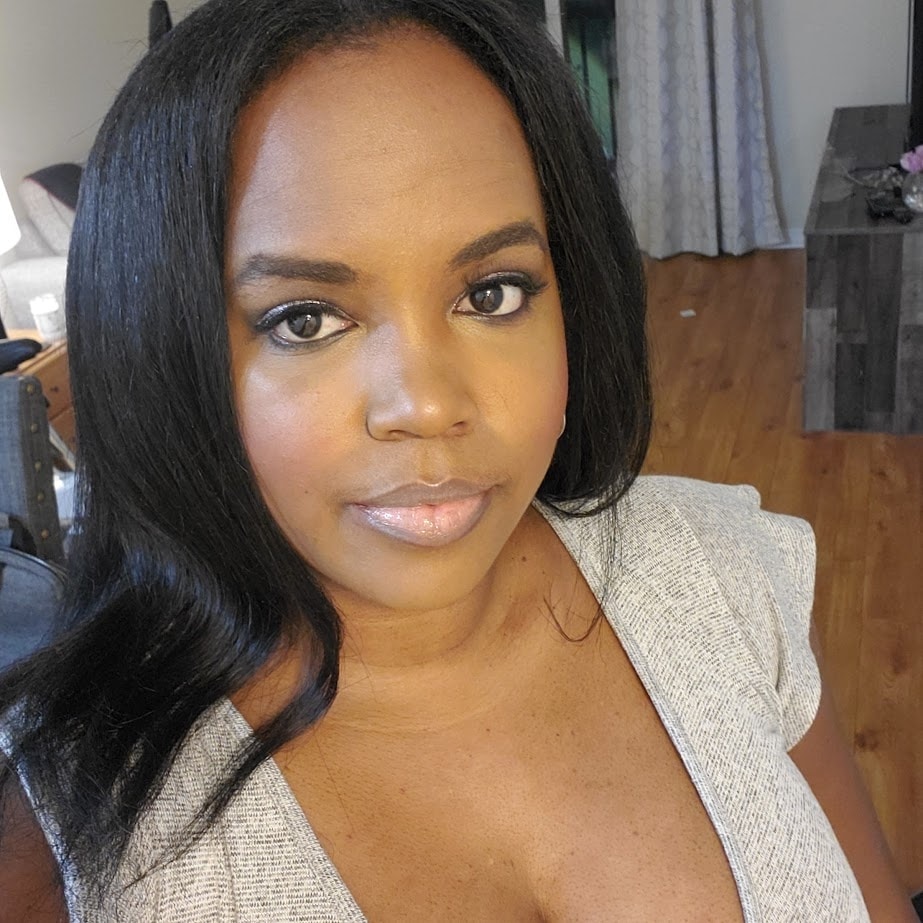
Hi, I’m Danian, the creator of Natalie Mochin’s Beauty Blog — a space dedicated to real, experience-based hair care tips, healthy hair advice, and hair growth inspiration. As a hairdresser in training, I share practical routines, product recommendations, and lessons from my hands-on salon experience — all fueled by my love for coffee, cats, and dogs.

Hi, I’m Danian, the creator of Natalie Mochins Beauty Blog. As a hairdresser in training, I share practical routines, product recommendations for healthier hair from my hands-on salon experience- All fueled by my love for coffee and mochaccinos.
Let’s be honest, girlfriend. Have you ever washed your hair, blow-dried it, and still felt like it looked a little flat, dull, or breakage? Like
Is the Unbrush Good for Curly Hair? Honest Review + Pros and Cons Is the Unbrush Good for Curly Hair? Honest Review + Pros and
Subscribe now to keep reading and get access to the full archive.
3 Responses